Most Common Health Problems of the Pug Breed
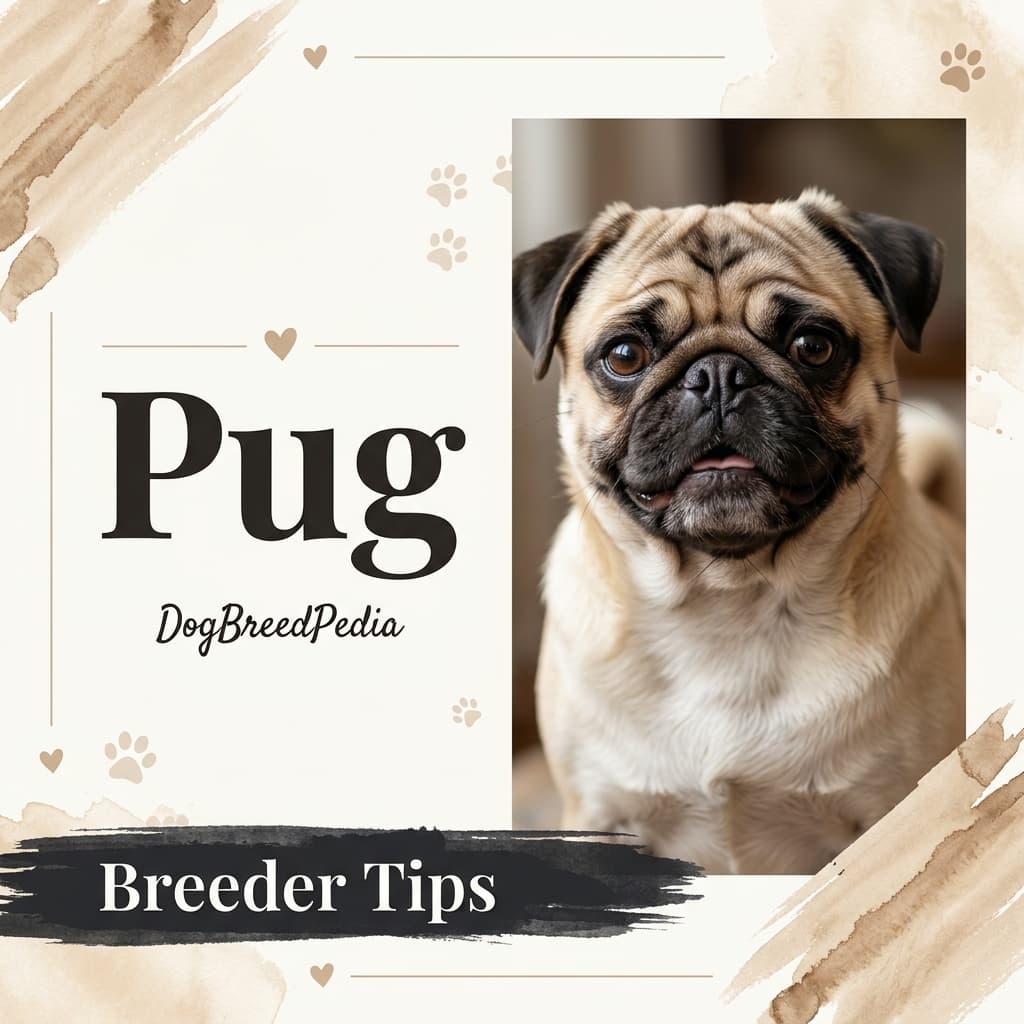
The Pug is a breed that has won the hearts of millions thanks to its unique nature, adorable appearance, and playful temperament. With their characteristic wrinkled face and curled tail, they are unmistakable
Pug Health Challenges: A Comprehensive Guide for Responsible Owners
The Pug is a breed that has won the hearts of millions thanks to its unique nature, adorable appearance, and playful temperament. With their characteristic wrinkled face and curled tail, they are unmistakable companions. However, it is precisely their specific physical attributes, which make them so cute, that also predispose them to several specific health problems. This article provides a detailed overview of the most common health problems in Pugs, to help both future and current owners ensure their beloved pets live the longest and healthiest life possible.
TL;DR: Due to their brachycephalic structure and genetic predisposition, Pugs are susceptible to specific health problems of the respiratory tract, eyes, spine, and skin, which require informed care and preventive measures from their owners.
Brachycephalic Obstructive Airway Syndrome (BOAS)
Brachycephalic Obstructive Airway Syndrome (BOAS) is the most significant and common health problem Pugs face. Their characteristic shortened skull, which gives them a cute "flattened" appearance, results in anatomical anomalies in the upper respiratory tract. These include stenotic nares (narrowed nostrils), an elongated soft palate, hypoplastic trachea (narrowed windpipe), and everted laryngeal saccules. These defects collectively restrict airflow, leading to chronic breathing difficulties.
Pug owners should be vigilant for symptoms such as loud snoring, labored breathing, snorting, bluish tongue (cyanosis) during exertion or overheating, and exercise intolerance. In extreme cases, airway collapse or heatstroke can occur, which is a life-threatening condition. To mitigate the risk, it is crucial to keep your Pug at an optimal weight, avoid overheating and excessive physical exertion, especially in hot and humid weather. Always use a harness instead of a collar to prevent pressure on the trachea. In many cases, surgical correction (widening of the nostrils, shortening of the soft palate) is necessary, which can significantly improve the dog's quality of life. Early diagnosis and consultation with a veterinarian specializing in brachycephalic breeds are essential.
Eye Problems
Pugs are known for their large, expressive eyes, which, however, combined with shallow eye sockets and an occasional inability to fully close their eyelids, increase their susceptibility to various eye problems. One of the most common is a corneal ulcer, which can arise from various causes, including trauma (e.g., injury during play, scratching), dry eye, or contact with dust and dirt. Ulcers are painful and, without immediate treatment, can lead to permanent vision damage or even loss of the eye.
Another common problem is keratoconjunctivitis sicca (KCS), known as "dry eye," where insufficient tear production leads to chronic irritation, redness, and inflammation. Entropion (inward rolling of the eyelid) and ectropion (outward rolling of the eyelid) are also common, with entropion potentially causing eyelashes to irritate the cornea. Pigmentary keratitis is a condition where black pigment deposits on the cornea, which can lead to impaired vision. In the worst case, proptosis of the eye can occur, which is the displacement of the eyeball from its socket, usually due to trauma or excessive pressure on the neck. Regular eye checks, keeping them clean, and immediately seeking veterinary help for any redness, discharge, or change in behavior are crucial for a Pug. In some cases, surgical correction may be necessary.
Spinal and Joint Problems
Pugs, with their robust bodies and characteristic curled tails, are predisposed to several orthopedic and neurological problems. The most well-known is hemivertebra, a congenital spinal deformity where the vertebrae are wedge-shaped instead of cylindrical. This anomaly, often associated with the curled tail (which is essentially a shortened and deformed spine), can lead to spinal instability, pressure on the spinal cord, and subsequent neurological problems such as pain, hind limb weakness, uncoordinated gait, or even paralysis. Symptoms can appear at a young age or worsen with age.
Another common problem is patellar luxation (dislocation of the kneecap), where the kneecap slips out of its normal position. This causes lameness, pain, and can lead to arthritis. Although Pugs are not as prone to hip dysplasia as larger breeds, it can still occur in them. Prevention and management include maintaining a healthy weight, avoiding excessive jumping and stairs, providing orthopedic beds, and regular veterinary check-ups. In the case of hemivertebra or severe patellar luxation, surgical intervention may be necessary. When choosing a puppy, it is important to ask for X-rays of the parents, which could reveal the presence of hemivertebra. For more information about the breed specifics, visit our page Mopslík.
Skin Folds and Dermatological Problems
The characteristic deep skin folds of the Pug, especially those on the face around the nose and eyes, are prone to developing skin infections and irritations. These folds create a warm and moist environment ideal for the proliferation of bacteria and yeast, leading to a condition known as intertrigo or skin fold dermatitis. Symptoms include redness, inflammation, itching, unpleasant odor, and in severe cases, weeping sores. Without regular and thorough care, these problems can quickly become chronic and very uncomfortable for the dog.
In addition to fold problems, Pugs are also susceptible to allergies, whether environmental (pollen, dust mites) or food-related. Allergies typically manifest as itching, skin redness, hair loss, recurrent ear infections, and sometimes gastrointestinal problems. For Pug owners, it is crucial to pay attention to the hygiene of the skin folds. Daily cleaning and thorough drying of the folds with damp cotton pads or special wipes are recommended. In case of infection, the veterinarian may prescribe topical ointments, antifungal, or antibiotic medications. If allergies are suspected, it is important to work with a veterinarian to identify the trigger and establish an appropriate diet or treatment plan.
Conclusion
Although Pugs are prone to several health problems stemming from their specific anatomy and genetics, this does not mean they cannot live a full and happy life. The key is a proactive approach, informed awareness, and owner responsibility. Regular veterinary check-ups, diligent preventive care, maintaining a healthy weight, proper nutrition, and promptly addressing any signs of illness are essential. Choosing a puppy from a responsible breeder who tests their breeding dogs for genetic predispositions and cares for the health of their animals is the first and most important step to ensuring a healthy life for your future Pug. With love, attention, and proper care, a Pug can be a loyal and joyful companion for many years.